Young leadership for a greener Europe
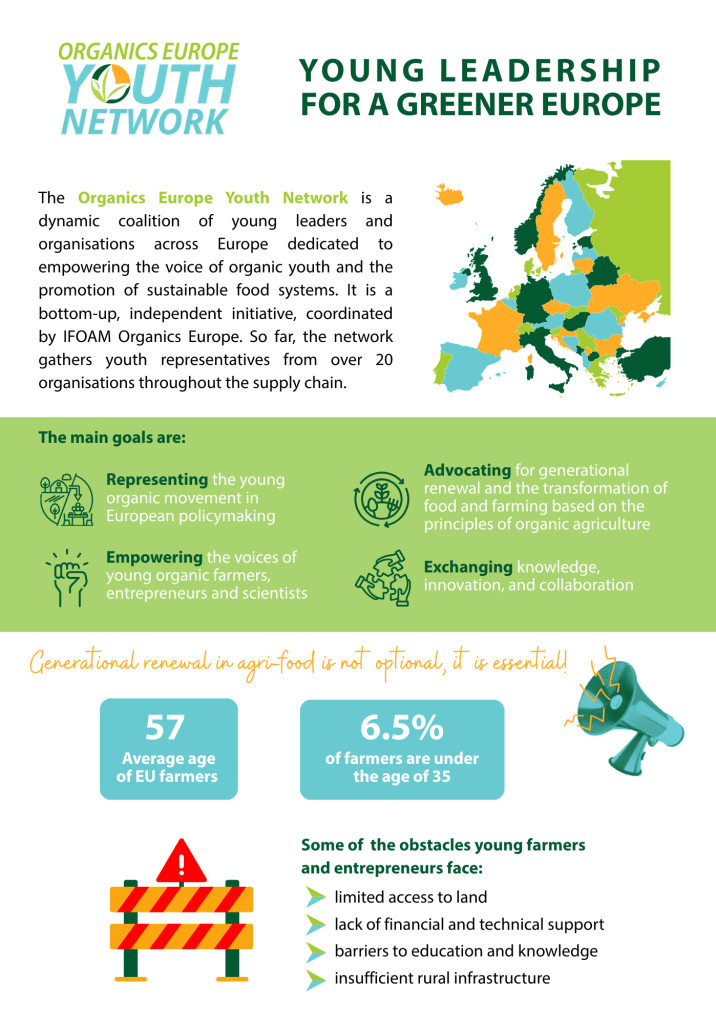
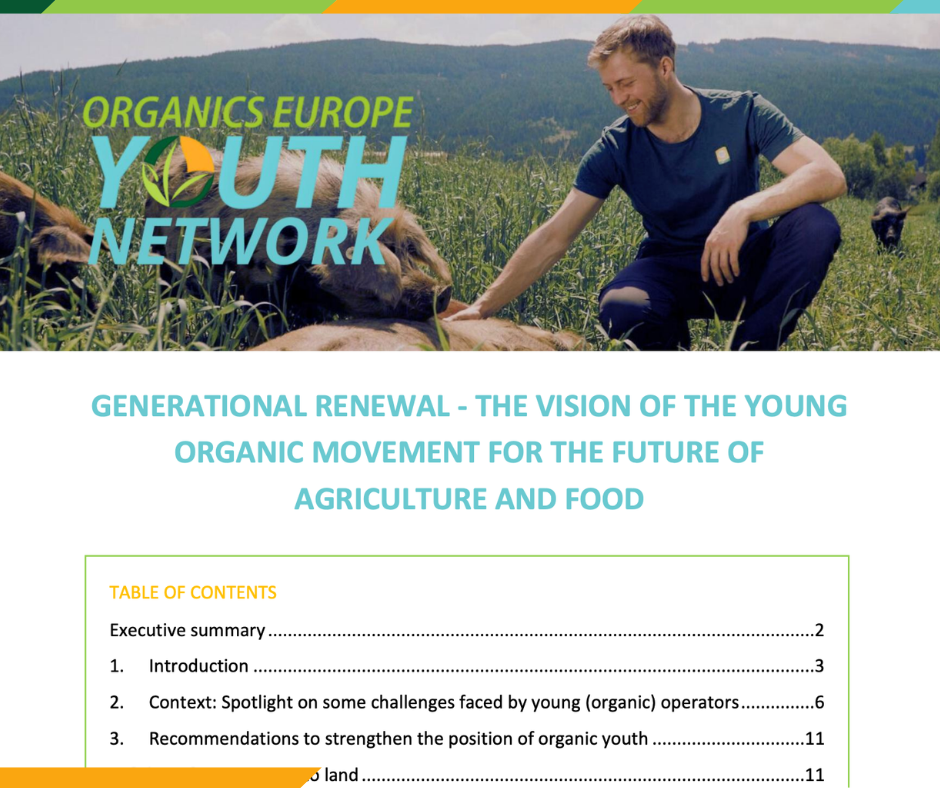
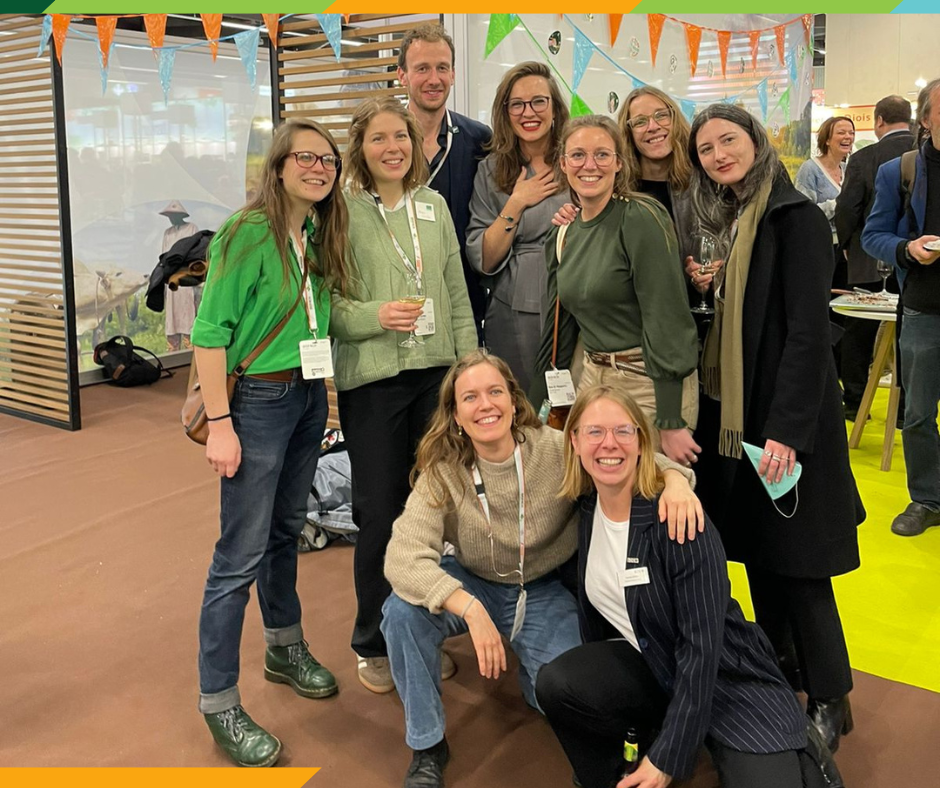
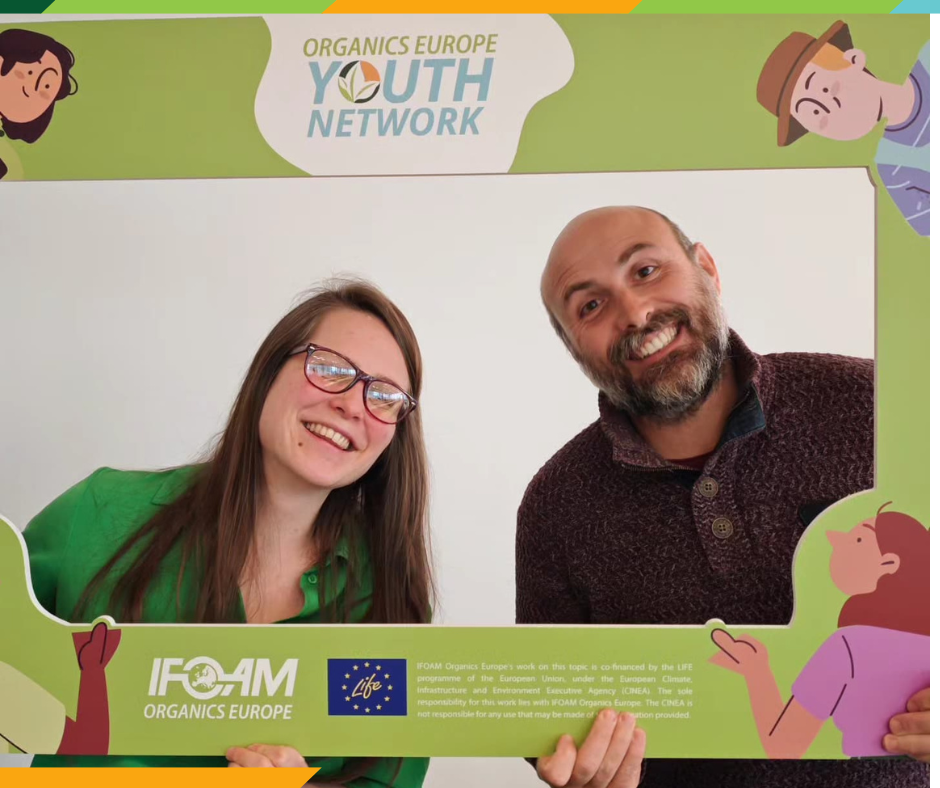
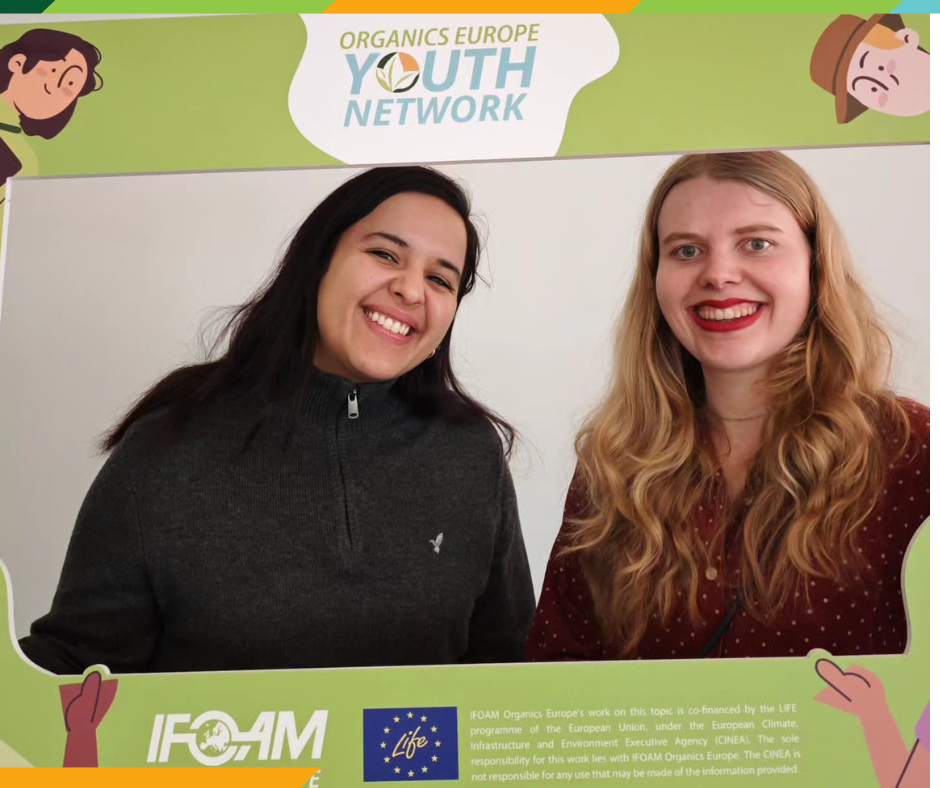
The Organics Europe Youth Network is a dynamic coalition of young leaders and organisations across Europe dedicated to empowering the voice of youth engaged in organic agriculture and sustainable food systems. Coordinated by IFOAM Organics Europe, this independent, bottom-up initiative brings together youth stakeholders – from farmers, to businesses, and academia. The network emphasises the importance of generational renewal in agriculture, integrating youth perspectives into policymaking while tackling challenges faced by young organic farmers.
Our objectives
About the network
Generational renewal is a core priority for the European organic movement to strengthen its resilience and governance. Founded on strong principles (health, care, ecology, and fairness) and decades of systemic visions of our food systems successfully carried out by pioneers and passionate people, the organic movement needs the new generation to thrive. To streamline this work, the Organics Europe Youth Network brings together organisations across Europe that represent organic youth or that significantly work on topics that relate to young organic farmers and operators all along the organic value chain.
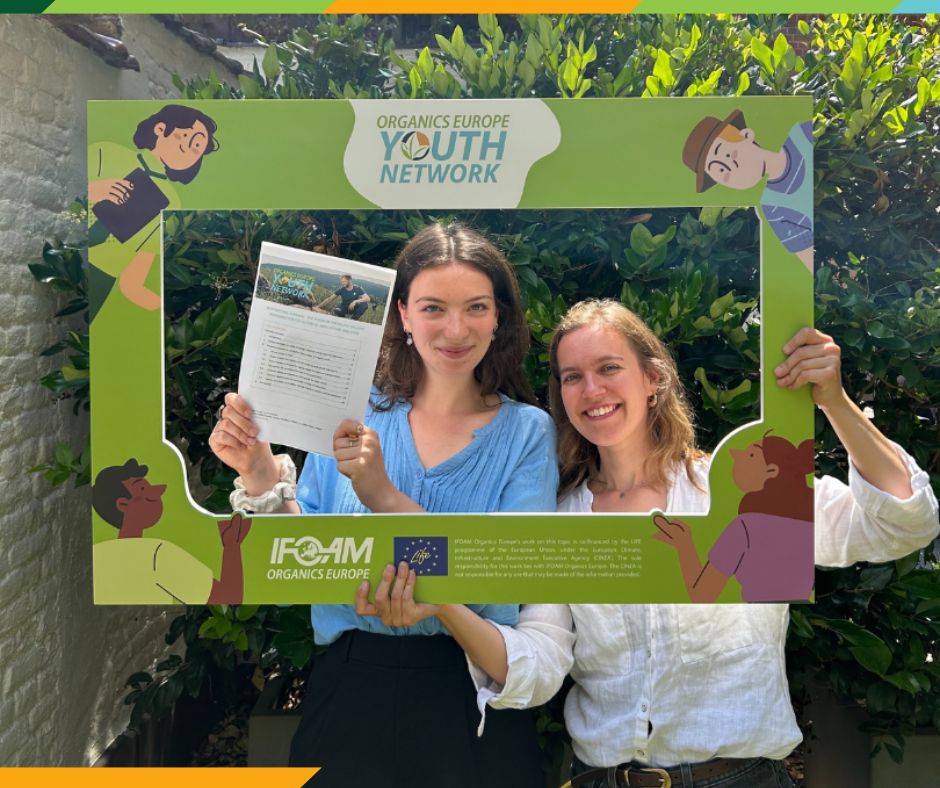
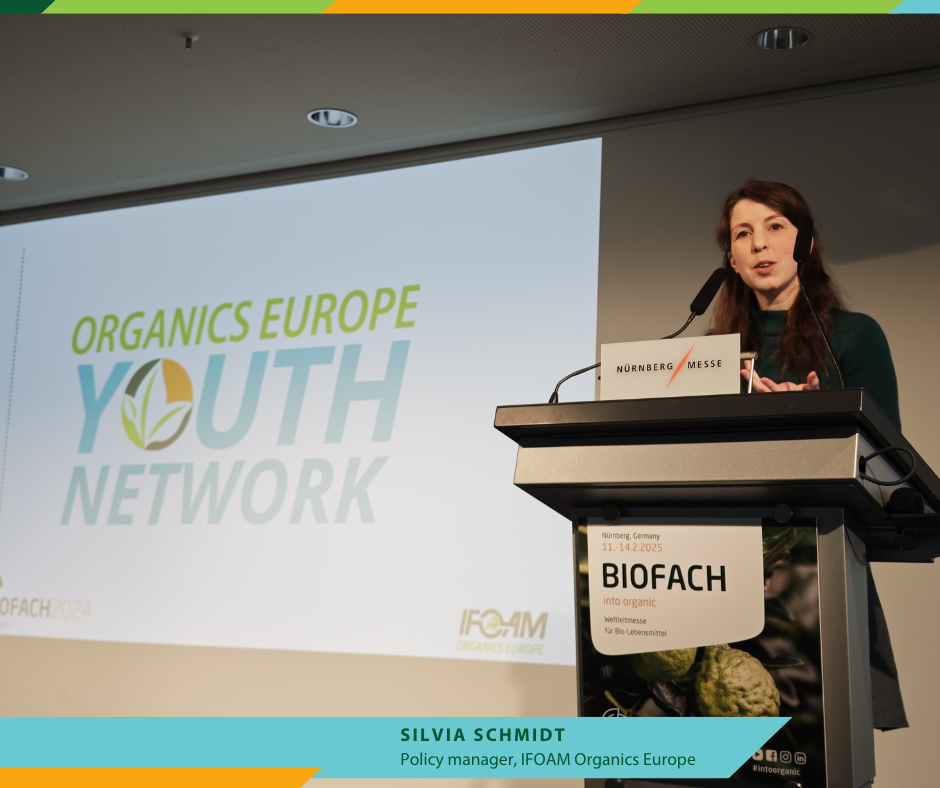
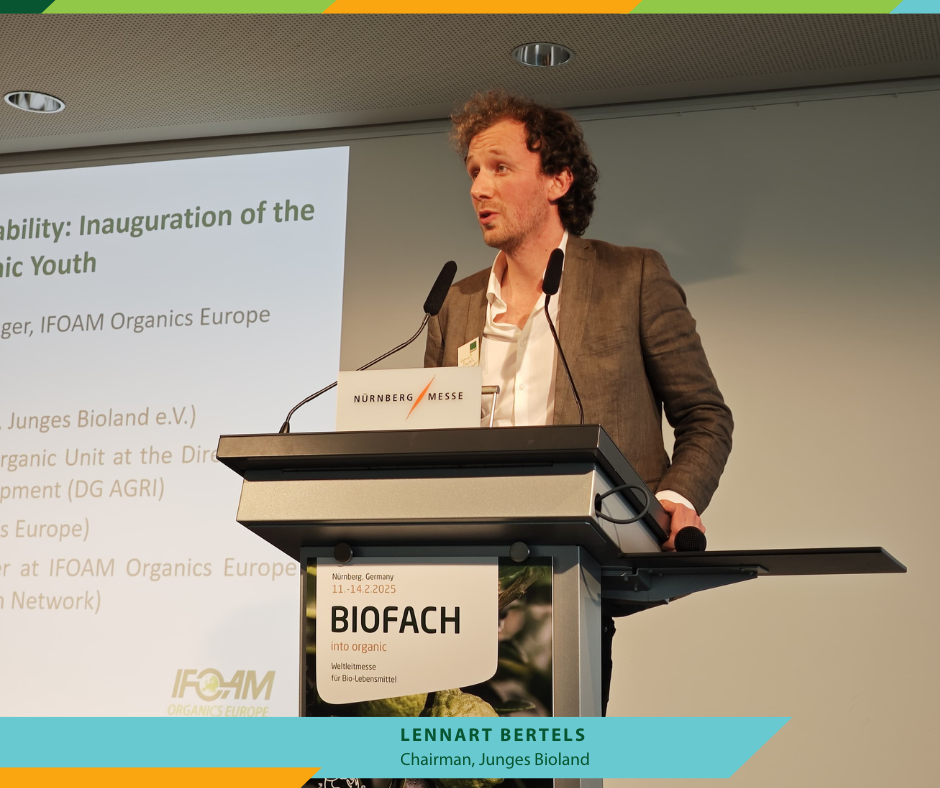
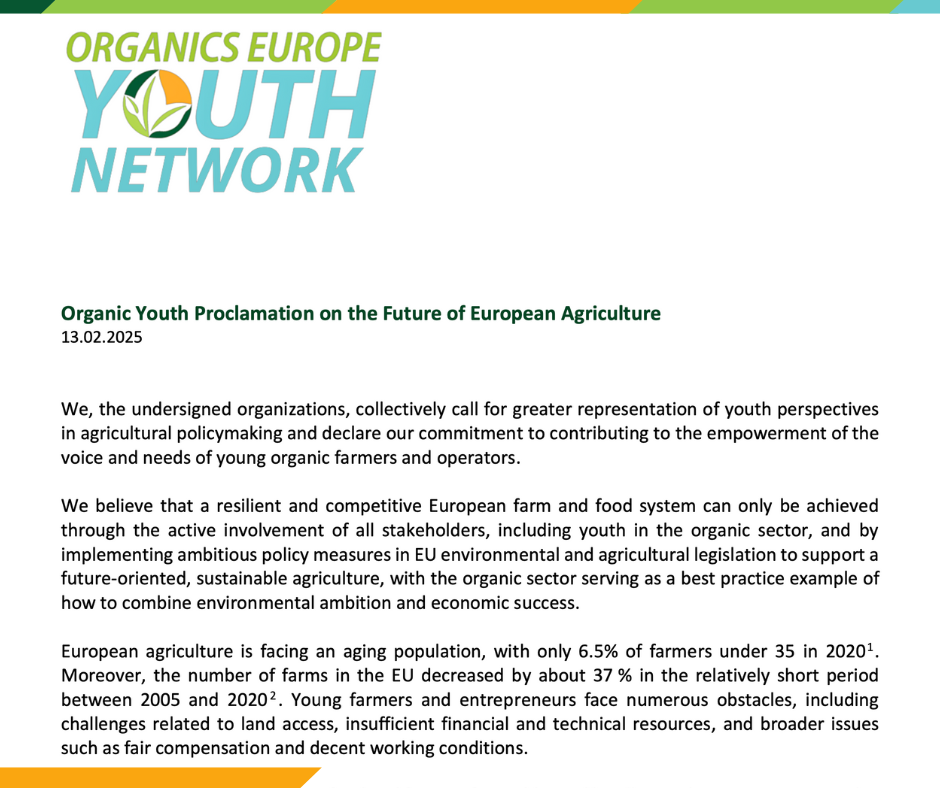
Following its official launch in 2025, one of the Network’s first activities was adopting a proclamation collectively calling for greater representation of youth perspectives in agricultural policymaking, and declaring its commitment to amplifying the voices and needs of young organic farmers and operators.
Another highlight was the publication of its first Position Paper on Generational Renewal in July 2025. The paper highlights the urgency of supporting young organic farmers who are building a cornerstone of the sustainable transition of European agriculture and sets out concrete policy recommendations in seven key areas: tailored funding and finance, CAP, access to land, fairness in supply chains, reforms to unfair trading practices, organic- and agroecology-integrated vocational education, and investment in rural infrastructure and services.
Who we are
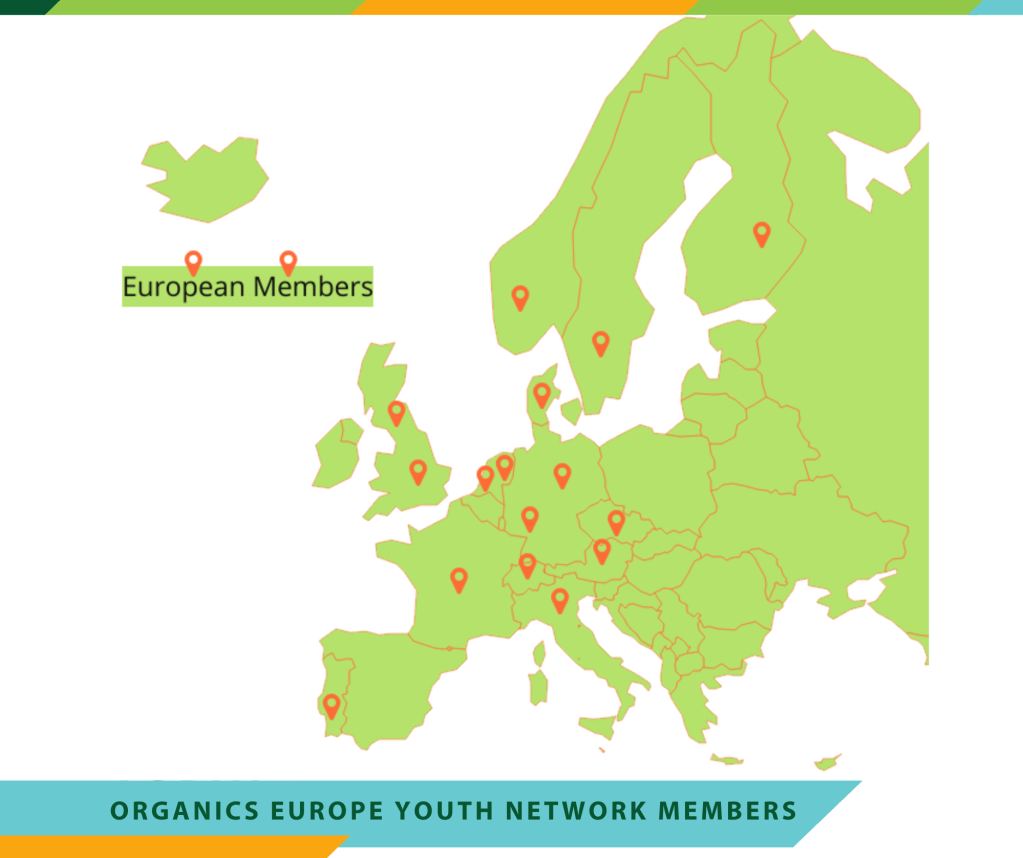
| Organisation | Country | |
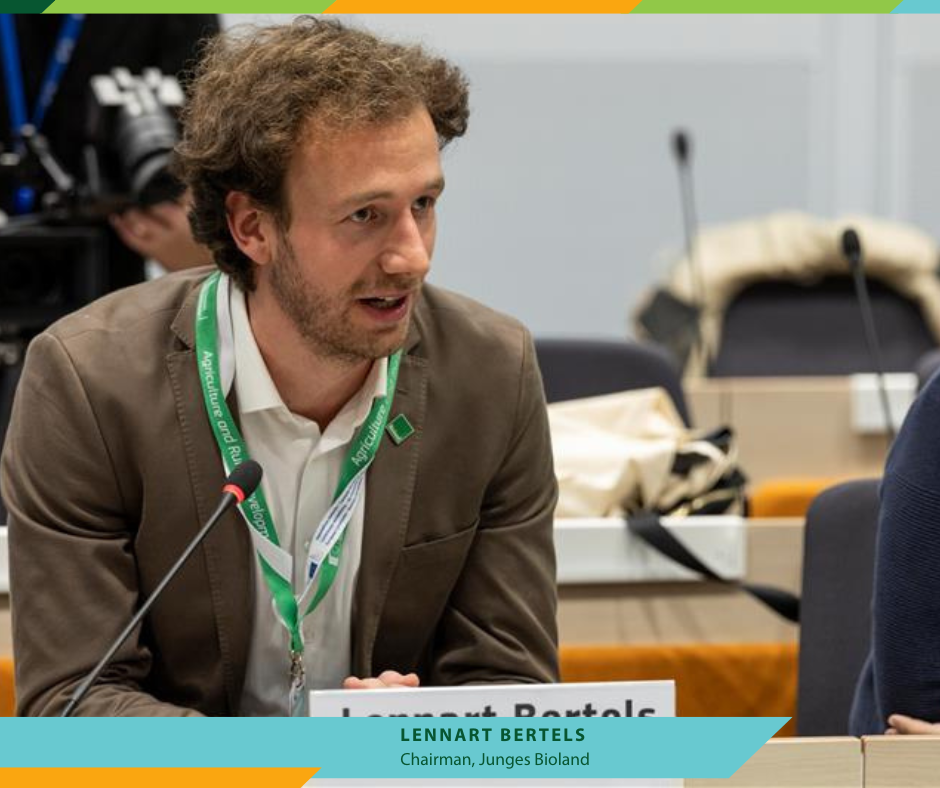
 | Junges Bioland e.V. | Germany |
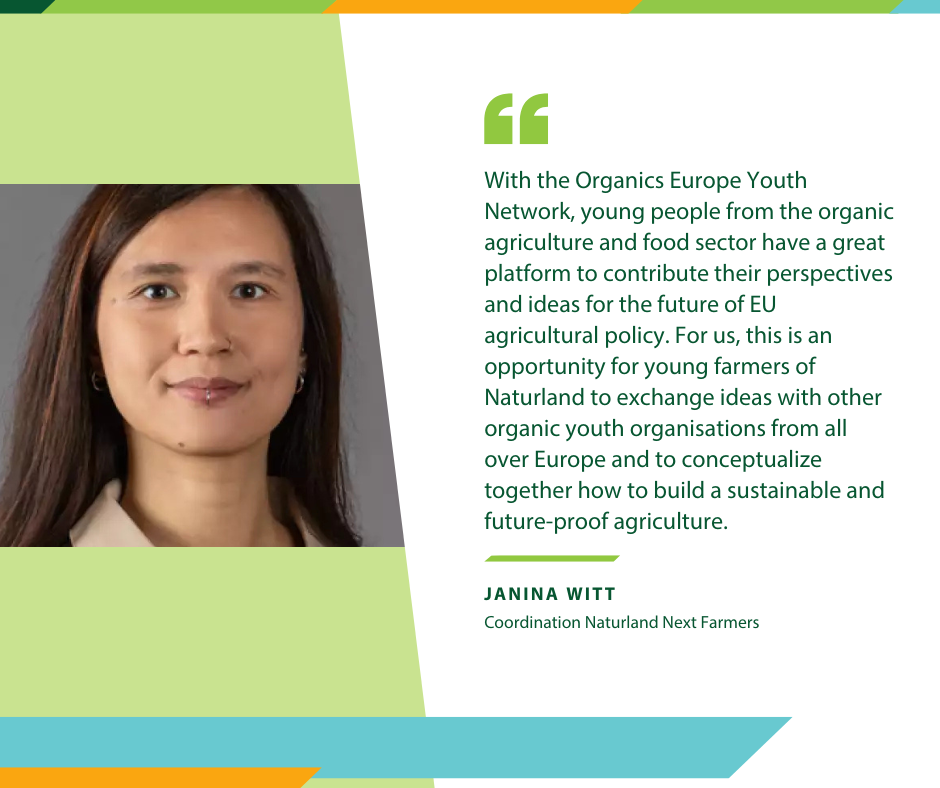
 | Naturland Next Farmers | Germany |
 | CEJA | Europe |
 | National Confederation of Young Farmers of Portugal | Portugal |
 | FNAB | France |
 | Norwegian Centre for Organic Agriculture | Norway |
 | Mani Tese | Italy |
 | BioJong | The Netherlands |
 | Danish / Kalo Organic Agricultural College | Denmark |
 | Økologisk Ungdomsbevægelse / Organic Youth Denmark | Denmark |
 | Czech University of Agriculture | Czech Republic |
 | Soil Association | UK |
 | Organic Cotton Accelerator | The Netherlands |
 | Bio Suisse | Switzerland |
 | Ekologiska Lantbrukarna | Sweden |
 | Pro Luomu | Finland |
 | BANG – Bio Austria Next Generation | Austria |
 | Emergent Generation | UK |
 | FIBL Europe | Europe |
Generational renewal is a must-have, not a nice-to-have
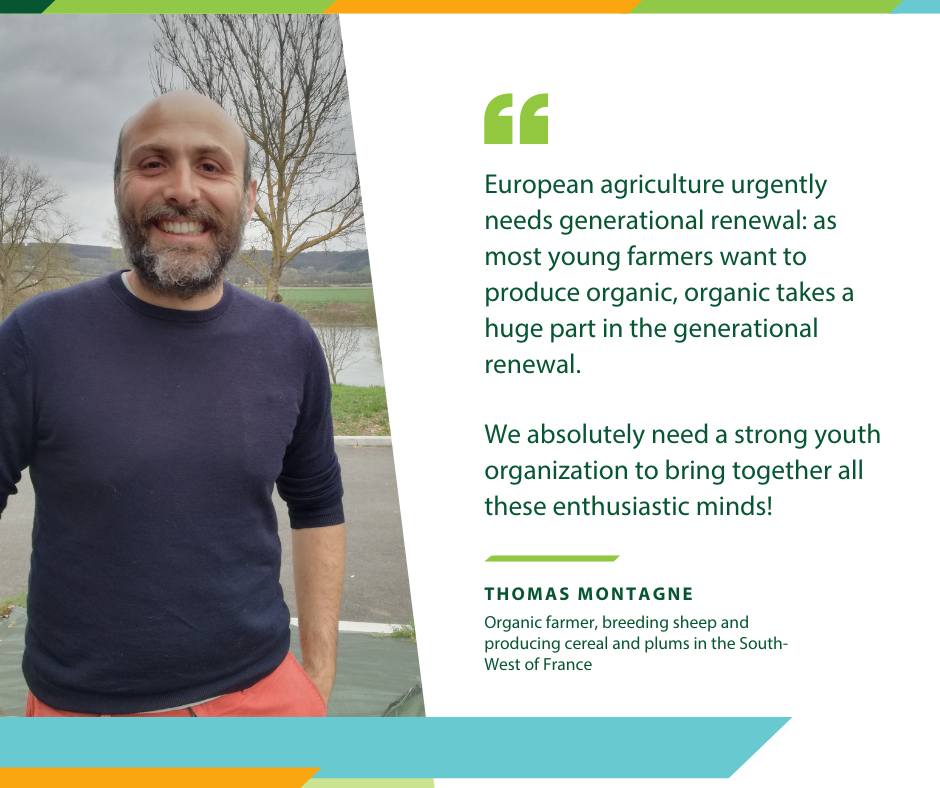
European agriculture is facing an ageing population, posing serious challenges to food security, resilience, and the long-term viability of the entire food and farming sector. In 2020, only 6.5% of farmers were under the age of 35, with the average European farmer being 57 years old. Meanwhile, the number of farms in the EU decreased by approximately 37% between 2005 and 2020, highlighting the broader structural changes occurring within the sector.
With this context in mind, encouraging generational renewal – by attracting and supporting young farmers and entrepreneurs to join the food and agriculture sector as a viable career path – becomes increasingly vital to safeguard Europe’s food production. Organic agriculture has a crucial role to play here: generational renewal and fostering organic agriculture go hand in hand. The statistics in Europe make this abundantly clear.
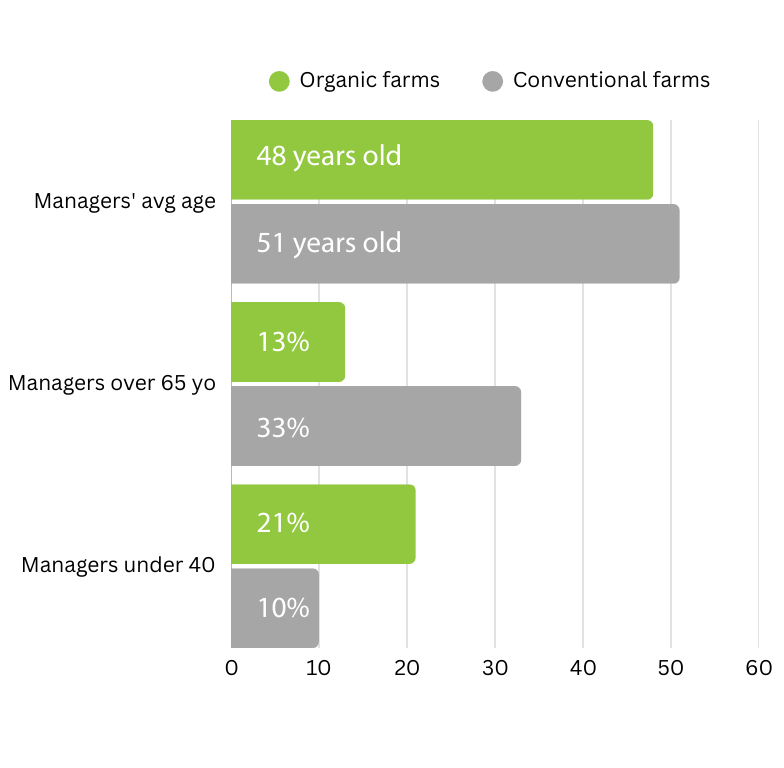
Typically, organic farms are managed by younger individuals, with an average age of 48 years, compared to 51 years for conventional farms. Additionally, only 13% of organic farm managers are over 65 years old, versus 33% for non-organic farms. 21% of organic farm managers are under 40, which is double the 10% of non-organic farms.
The European Commission acknowledges the link between addressing generational renewal and promoting organic farming, stating that “Young farmers want to be the drivers of innovation […]. Concrete examples are the growing organic sector and agroecological farming practices, which prove to be attractive options for younger farmers, combining economic possibilities with environmental results and social responsibility.”
Challenges faced by young (organic) farmers
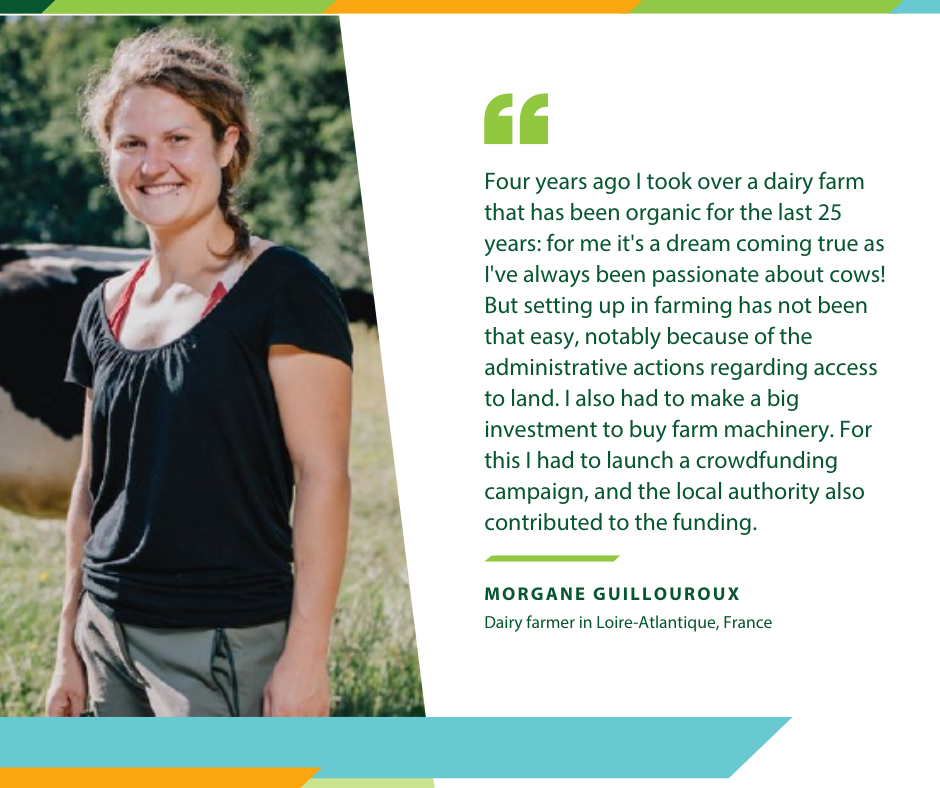
Despite broad agreement on the need for generational renewal, encouraging more young people to pursue a career in food and farming presents significant challenges. Namely, young farmers and entrepreneurs face numerous obstacles, including limited access to land and a lack of financial and technical support. Official data indicates that more than 50% of all the applications for loans and financial instruments from young farmers were declined, compared to 32% for older farmers. Without adequate loans from banks, it becomes extremely difficult for young individuals to acquire suitable land, machinery, and essential tools to get started in an already capital-intensive profession.
Education and knowledge present another barrier. According to the European Council of Young Farmers (CEJA), over 60% of the farming community relies solely on practical experience gained at the farm level, and there are limited channels available to pass these practices on to future generations. Especially for young potential farmers who want to adopt organic farming practices, the formal learning pathways at universities that teach organic and agroecological practices are very limited. For instance, to date, there are only a handful of programs in Europe that offer organic agricultural studies. Also, in terms of independent advisory networks, the access to impartial and farm-tailored advice as well as peer-to-peer exchanges still differs largely from region to region and needs to be further extended and improved.
Youth engaged in organic food and farming encounter additional challenges, such as regulatory complexity and structural issues like unfair pay and poor conditions, hindering their entry and success in sustainable agriculture.
Young organic farmers: Driving the sustainable transition of the European food system
Organic farmers are an important piece of the puzzle in advancing the sustainable transition of our European food system. Through organic farming, young farmers share a commitment to making long-term investments and adopting environmentally friendly practices that offer significant benefits for both the environment and rural communities. For instance, organic farming practices can reduce greenhouse gas emissions, while also providing benefits for biodiversity protection, increasing soil carbon sequestration, and at the same time contribute to adaptation by making farming systems more resilient to the effects of climate change (check out the multiple benefits of organic farming for climate and biodiversity here or in this infographic).
The European Parliament acknowledged in its 2023 report the important role of young farmers in the green transition, highlighting that “young farmers and new entrants are more likely to introduce innovative business ideas, promote shorter food chains, apply new technologies and production methods and implement sustainable farming practices, including agroecological practices and organic farming”.
The EU’s work on generational renewal: Current efforts and initiatives
As a recognised voice for European organic youth in EU agriculture policymaking, advocacy is a main priority for the Youth Network. The European Commission identified generational renewal as a key issue for European agriculture and expanded on this in their Generational Renewal Strategy, which was published in October 2025. As stated in our press release, the strategy sets out a comprehensive analysis of challenges that young farmers face and announces the ambitious target of doubling the share of young farmers in Europe from 12% to 24%. However, many of the barriers that young organic farmers specifically face and to which concrete solutions exist, are not reflected in the Strategy. While the Strategy alludes to the importance of promoting “sustainable” farming practices, it fails to mention that it is in fact young organic farmers who are already delivering on sustainability every day. Without targeted measures and explicit recognition of organic practices, the EU risks missing its ambition to double the number of young farmers by 2040.
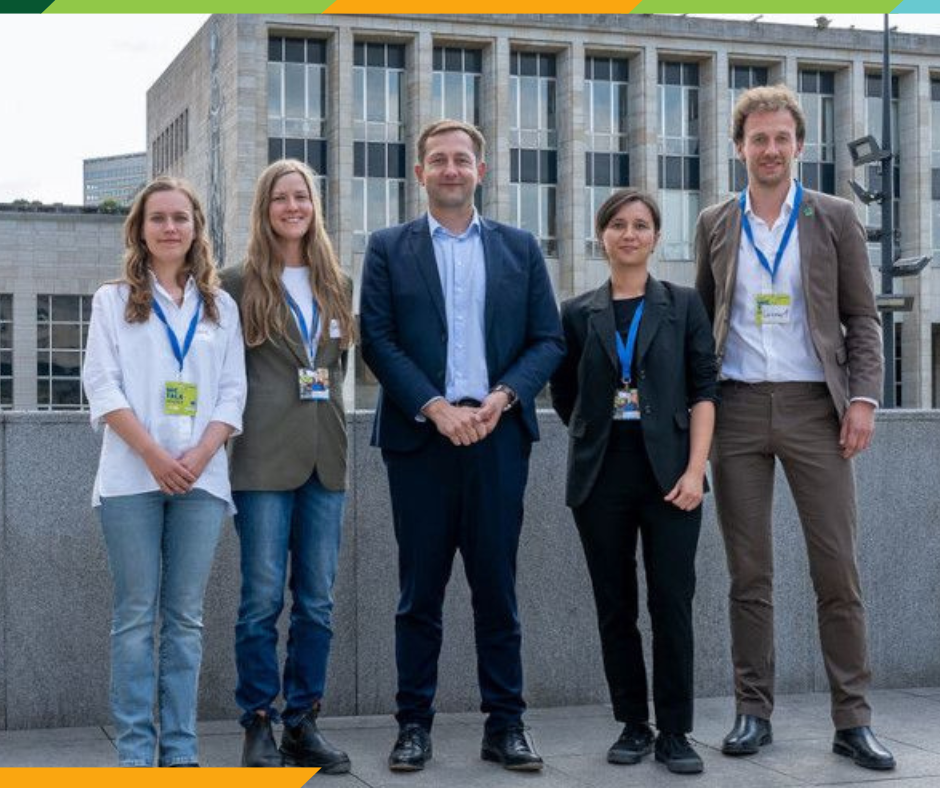
On 2 December, we presented this perspective at the European Parliament’s AGRI Committee hearing on “The role of young farmers in the vision for agriculture and the future CAP reform,” stressing why organic youth must be central to Europe’s generational renewal through stronger CAP support, better advisory services, and a renewed EU Organic Action Plan in 2026.
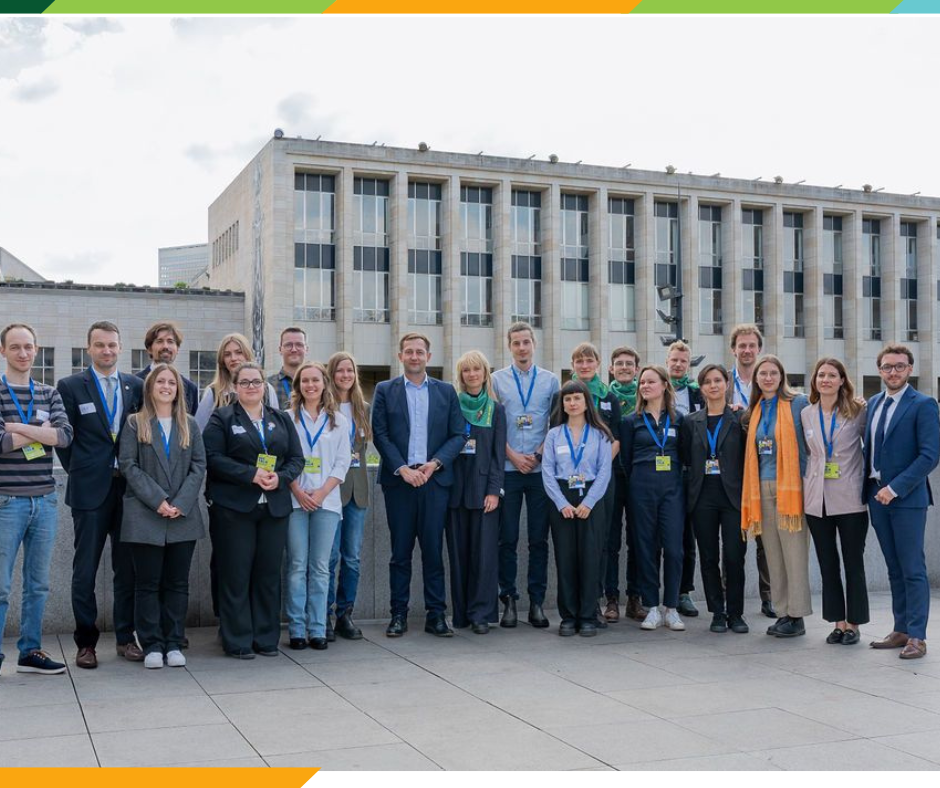
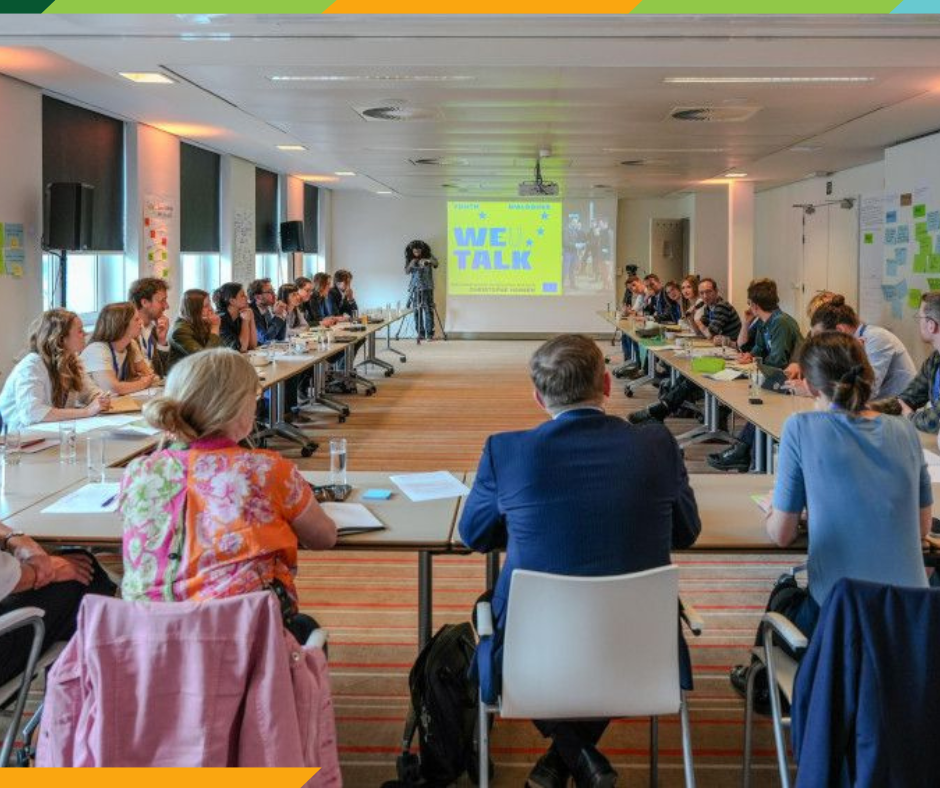
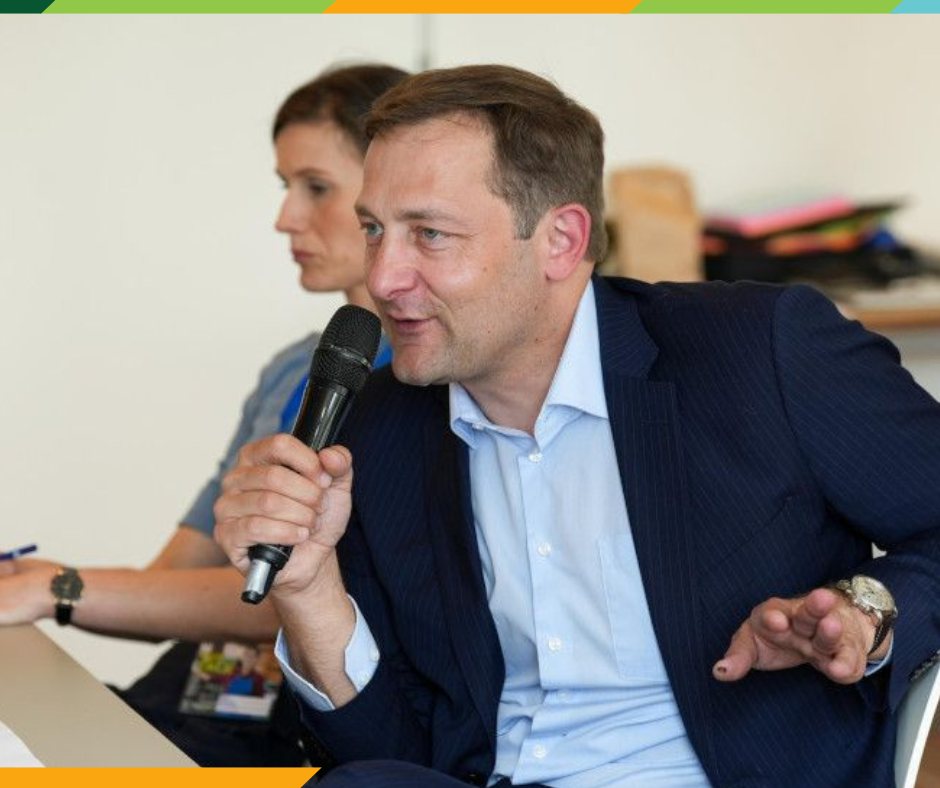
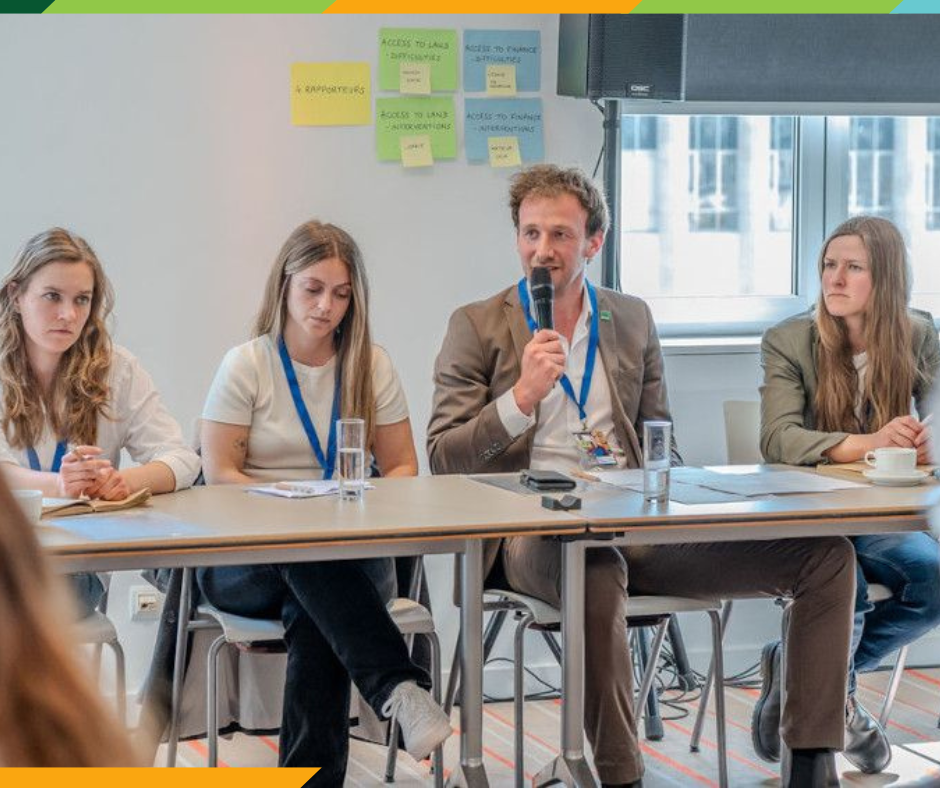
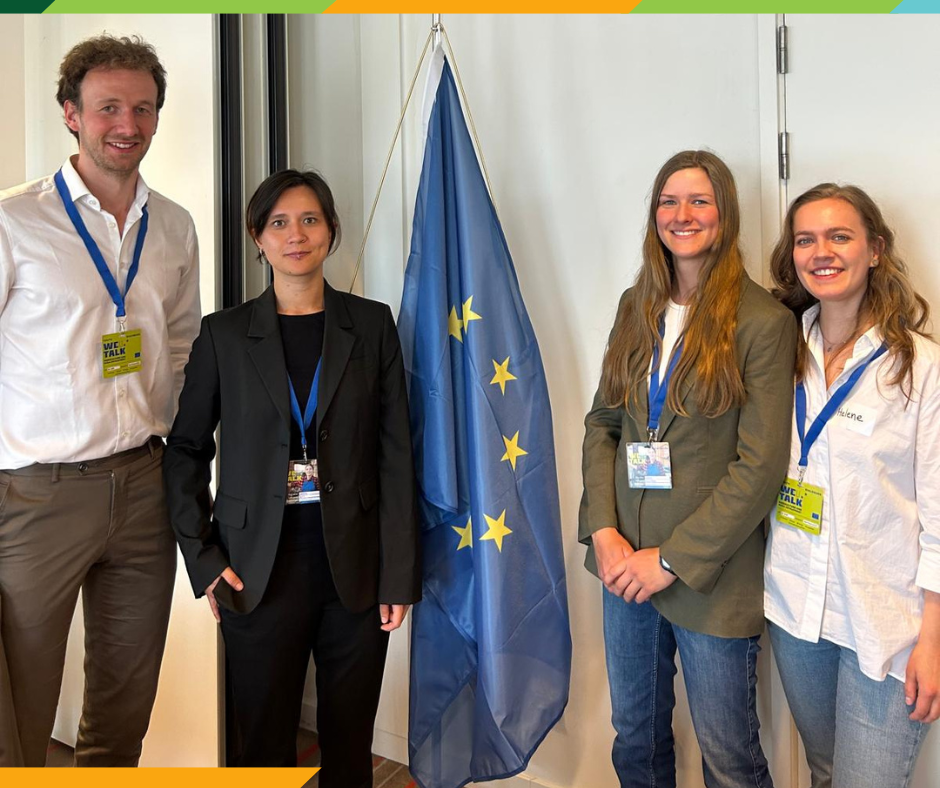
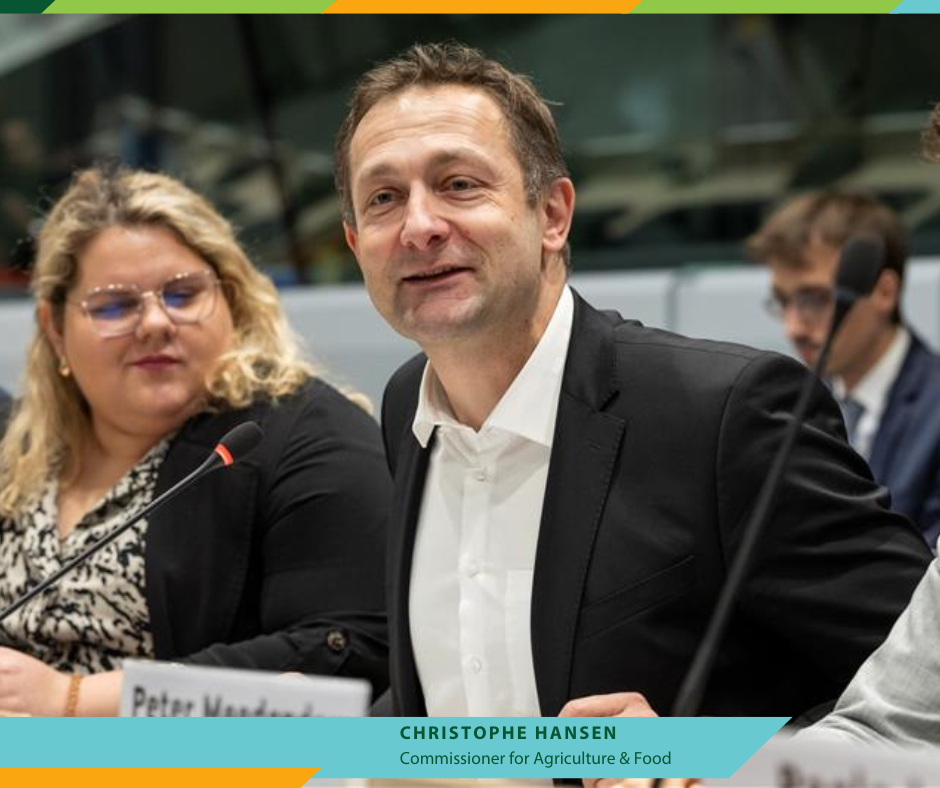
The Organics Europe Youth Network has also contributed to the annual Youth Policy Dialogues, encouraging young people to share their insights on EU policy initiatives. DG AGRI’s Youth Policy Dialogues brings together young people active in various agricultural, rural, and environmental youth organisations to engage with Commissioner Christophe Hansen. The first event took place on 11 December 2024 under the theme of “Building together the future of farming, food and rural areas”. Following up on this event, in a joint declaration, participants of the Youth Policy Dialogue sent a clear message to Agricultural Commissioner Hansen, that “only by strong involvement among all stakeholders, including youth, can we achieve the common vision of a resilient, innovative, and sustainable European farm and food system for all.” The second dialogue followed on 9 May 2025, under the theme “Towards a Strategy on Generational Renewal in Agriculture,” where the Network highlighted the growing strength of organic youth, the need to prioritise land access for organic systems that create jobs and protect nature, and demanded fair finance tools for young farmers and new entrants.
Our other youth activities
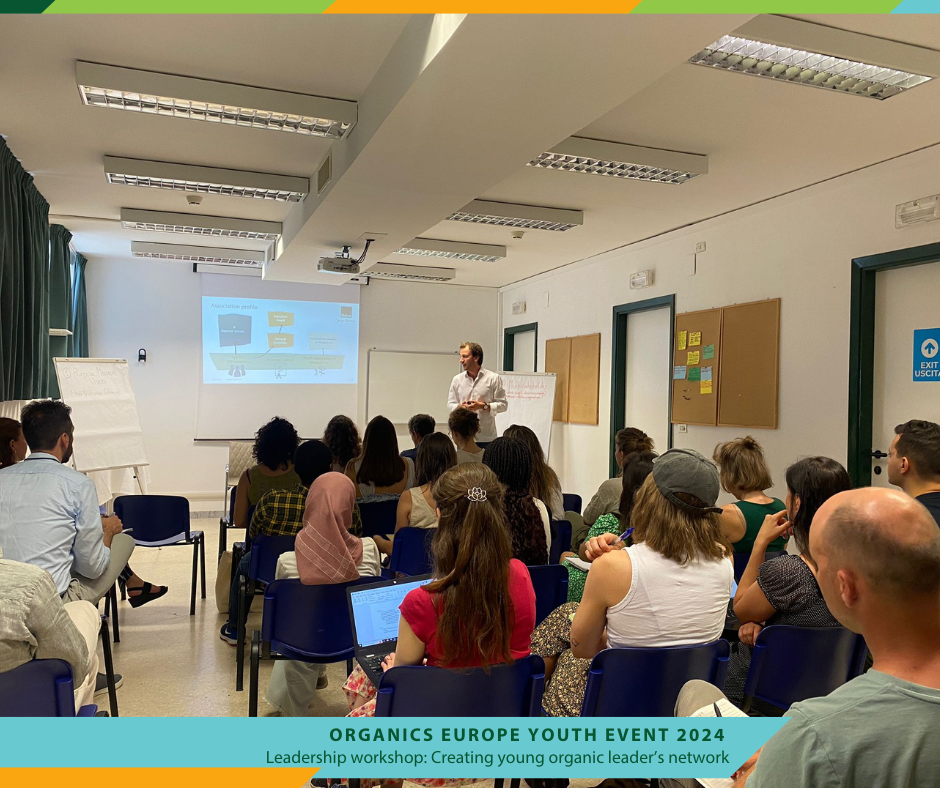
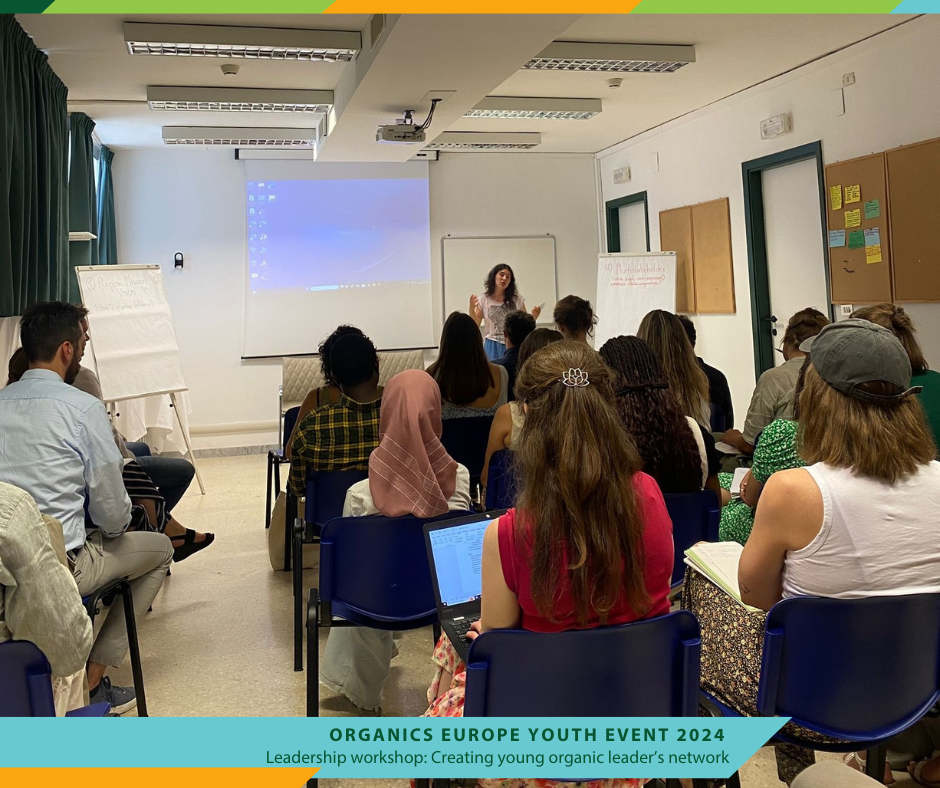
Organics Europe Youth Event
Every two years, IFOAM Organics Europe hosts the Organics Europe Youth Event, which brings together youth who are enthusiastic about sustainable agriculture and food systems and all that it entails. This includes a diverse group of professionals, including farmers, students, researchers, certifiers, processors, activists, and politicians, among others.
Board Shadow Programme at IFOAM Organics Europe
In 2025, IFOAM Organics Europe launched its Board Shadow Programme, to foster generational renewal within the organic sector. This initiative empowers the next generation of organic leaders by providing three young professionals with firsthand experience alongside the organisation’s Board for one year. Each participant receives dedicated mentorship from a current Board member, gaining insight and inspiration to shape the future of the organic movement.
This programme builds directly on the Organics Europe Youth Network, amplifying youth voices in governance.
Get in touch!

Are you an organic youth representative organisation or do you do a lot of youth work? Interested in learning more about the OEYN or wanting to explore becoming a member?
Do not hesitate to get in touch!
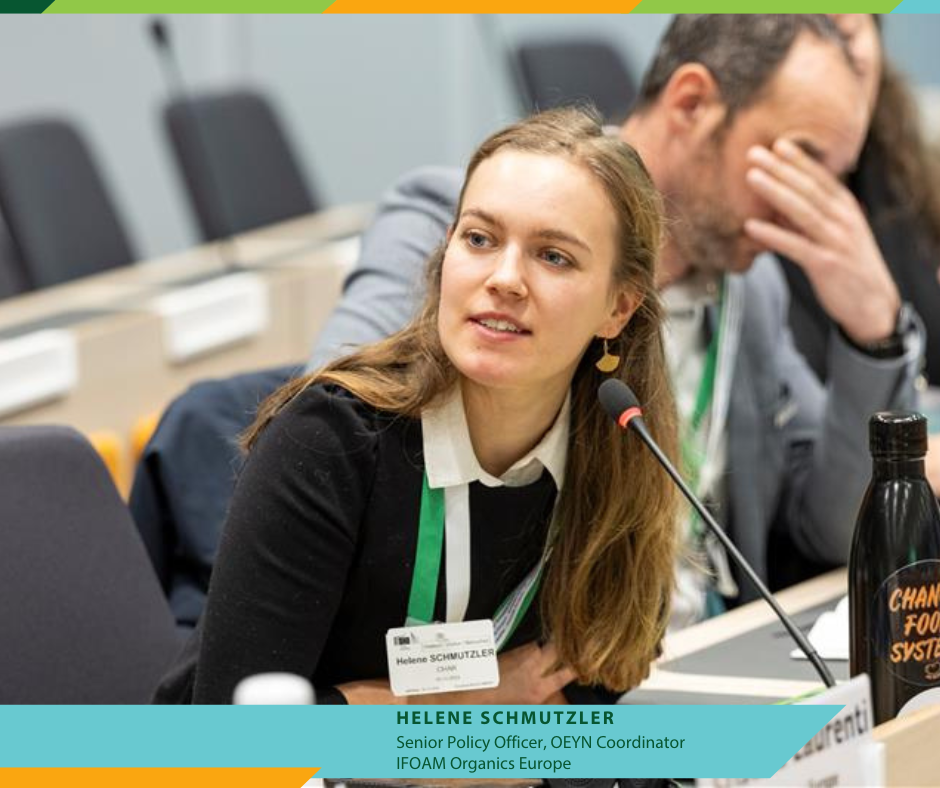
Reach out to Helene Schmutzler, IFOAM Organics Europe’s Senior Policy Officer and OEYN Coordinator, at helene.schmutzler@organicseurope.bio
 organicyouth.bio